

Air Duct Cleaning Services
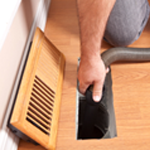
Air duct cleaning is for problems you can point to, like dust blowing out of the vents after a remodel, mice in the ductwork or mold on the cooling coil. Tidwell and Sons HVAC provides HVAC duct cleaning for homes in Charlotte and the surrounding area, and as an HVAC company, we clean the furnace or air handler that moves the air along with the ducts that carry it.
Not sure your ducts need cleaning? Check the signs further down this page.
What Professional HVAC Duct Cleaning Does for Your Home
The Environmental Protection Agency (EPA) notes that leaving one part of a dirty system uncleaned can spread the dirt back through the rest. Here is what a thorough duct cleaning takes care of:
When Should You Have Your Air Ducts Cleaned?
Furnace and AC Duct cleaning makes the most sense when something has gotten into the system. It's time to call us when:
- Dust or debris blows out of the vents when the system starts up.
- You've just remodeled or moved into a new home, and construction dust, pet hair or debris may be in the system.
- Mice, insects or other pests have gotten into the ductwork.
- You can see mold inside metal ducts or on the furnace or air conditioner.
- Water got into the ducts from a leak, a flood or condensation.
- Airflow is weak at some vents, and a blockage in the ducts could be the cause.
Planning a remodel? Seal off the supply and return registers and don't run the system until the dust is cleaned up, then have the ducts cleaned once the work is done.
Air Duct Cleaning vs. Duct Sealing: Which Do You Need?
They solve different problems, and some homes need both.
Air Duct Cleaning
- Removes dust, debris and what pests leave behind from inside the ducts and equipment.
- Cleans the blower, coil and drain pan along with the ducts.
- The fix after a renovation, pests or mold, once the moisture problem is solved.
Air Duct Sealing
- Closes leaks, holes and loose connections in the ductwork.
- Keeps heated and cooled air headed to your rooms instead of the attic, crawlspace or garage.
- Sealing is the fix for high energy bills and rooms that are hard to heat or cool.
ENERGY STAR estimates that in typical homes, "about 20 to 30 percent of the air that moves through the duct system is lost due to leaks, holes, and poorly installed ducts." Cleaning doesn't close those leaks. Sealing does, and that can help lower heating and cooling bills.
Think your ducts may need sealing too? The air duct sealing page covers what sealing fixes and what the work involves.
What Does Furnace or AC Duct Cleaning Include?
Furnace and AC Vent cleaning should encompass the entire mechanical system, cleaning every part of the system the air passes through, including:
- Supply and return ducts, from the main trunk lines to the branch runs that feed each room
- Registers, grilles and diffusers in every room
- The blower, its motor and its housing
- The cooling coil and condensate drain pan
- The furnace heat exchanger
- The furnace or air handler cabinet
How a Professional Duct Cleaning Works
A typical cleaning has four steps:
Inspect and Show You
The technician looks inside the ducts and equipment, checks what the ducts are made of and shows you what's there.
Protect Your Home
The technician covers floors and furnishings and connects a vacuum that keeps the system under suction, so loosened dirt is pulled out instead of into your rooms.
Loosen and Remove the Dirt
Brushes and air tools loosen the buildup, and the vacuum carries it out. Flexible and fiberglass-lined ducts get gentler tools.
Clean the Equipment and Check the Work
The technician cleans the blower, coil and drain pan, seals the access holes and runs the system in heating and cooling to check the work.
Frequently Asked Questions About Air Duct Cleaning
Yes, when something has gotten into the system: dust or debris coming out of the vents, pests, construction dust, water or mold. Moving into a home is also a good time to have the ducts looked at, since you don't know how the system was cared for. A look inside first shows you what the cleaning is for.
There's no set schedule. The right time is when one of the signs above shows up, such as debris from the vents, pests or a renovation. Between cleanings, regular filter changes and yearly maintenance of your furnace and air conditioner help keep the system clean.
The price depends on the size of your home, how many heating and cooling systems and vents it has, how easy the ducts are to reach and what's found inside, such as pest debris or mold. A written scope and price should come after someone has looked at your system. Ask us for a quote.
Time depends on the same things as the price: the size of your home, the number of systems and how easy the ducts are to reach. Ask us for a time estimate along with your quote.
A proper duct cleaning includes the furnace or air handler: the blower, the coil, the drain pan and the heat exchanger. Leaving them dirty can send dirt right back into clean ducts. Dryer vents are a separate system and aren't part of an HVAC duct cleaning.
Cleaning can remove mold from metal ducts and equipment, but only after the moisture that let it grow is fixed, or it will come back. Something that looks like mold isn't always mold, so it should be confirmed first. If your duct insulation is wet or moldy, EPA says it "cannot be effectively cleaned and should be removed and replaced." Until the problem is handled, don't run the system if you know or suspect it has mold.
Need ductwork replaced? Read about custom ductwork fabrication.
It helps when the ducts are the source, such as dust and debris blowing out of the vents after a renovation. Much of the dirt inside ducts sticks to the duct surfaces and doesn't reach your rooms, though, so for everyday household dust, better filtration can do more. Use the highest efficiency filter your system's manufacturer recommends.
For more filtration than a standard filter, see our whole-house air cleaners.
Look for a company that inspects your ducts and equipment first and shows you what it finds, puts the scope and total price in writing before work begins, and cleans the whole system rather than just the vents. Ask what an advertised price includes. If sanitizers or coatings come up, EPA says they should be applied "if at all, after the system has been properly cleaned of all visible dust or debris."